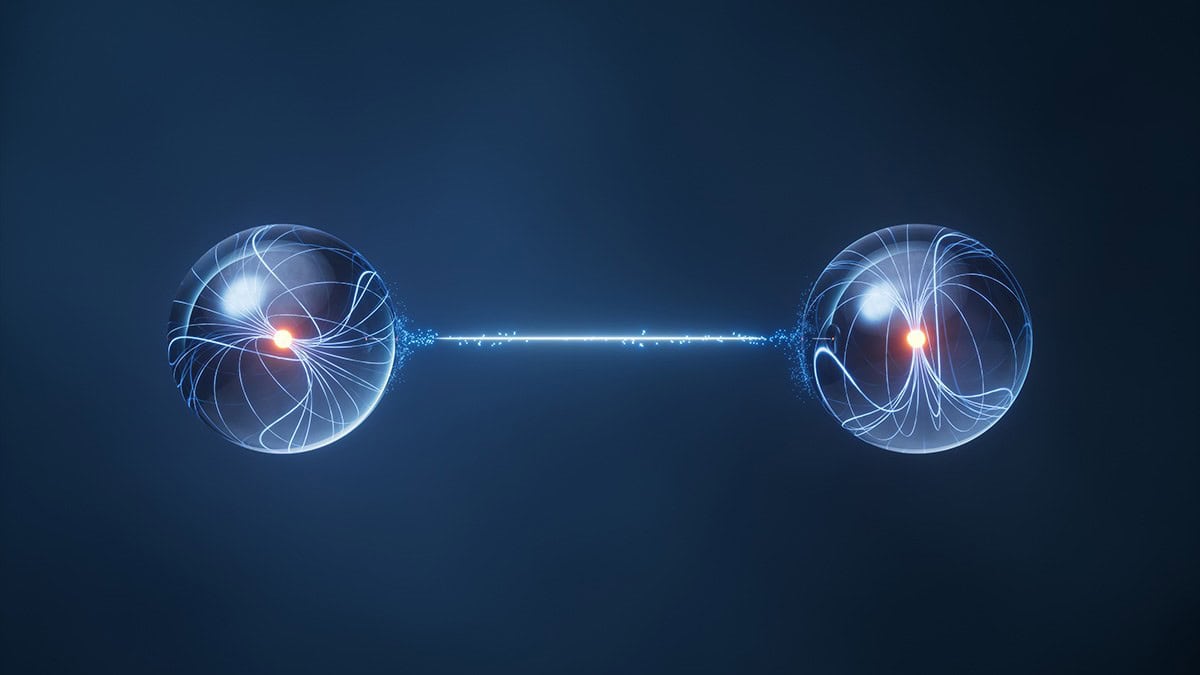
A groundbreaking advancement in quantum cryptography has emerged today with researchers demonstrating the ability to clone and store encrypted qubits in multiple locations, a development that could fundamentally reshape how we think about quantum information security and the future quantum internet. This "elegant" result challenges previous assumptions about quantum no-cloning theorems while opening new possibilities for distributed quantum networks. Simultaneously, quantum-secure internet infrastructure has achieved a major milestone, expanding to citywide scales with device-independent quantum-encrypted keys successfully distributed over 100 kilometers, bringing us closer to practical quantum communication networks.
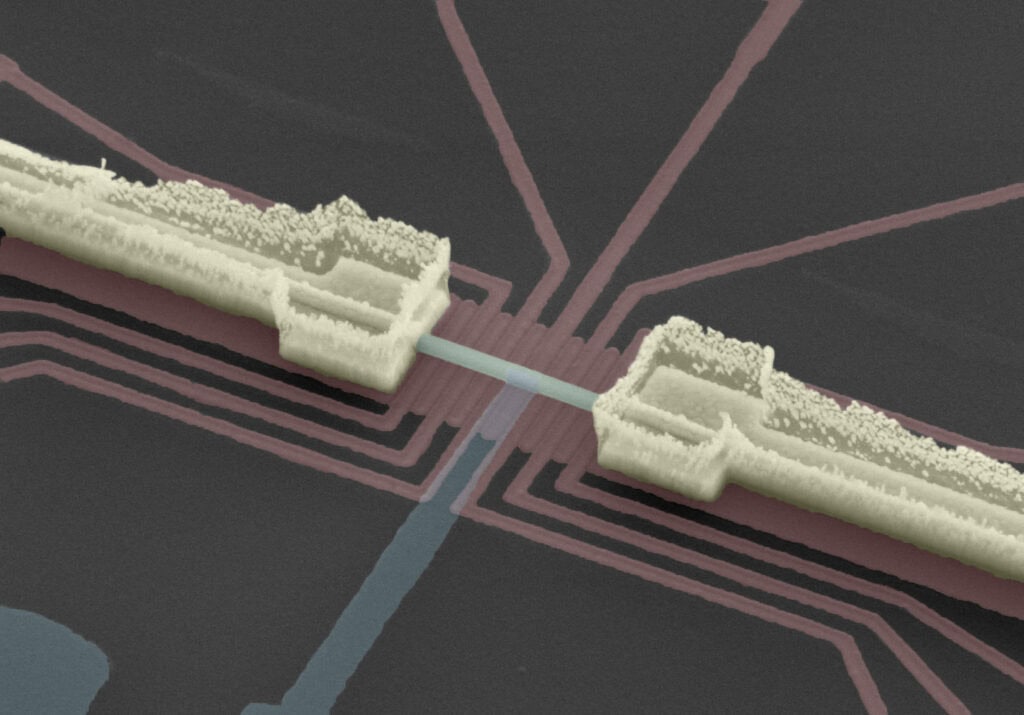
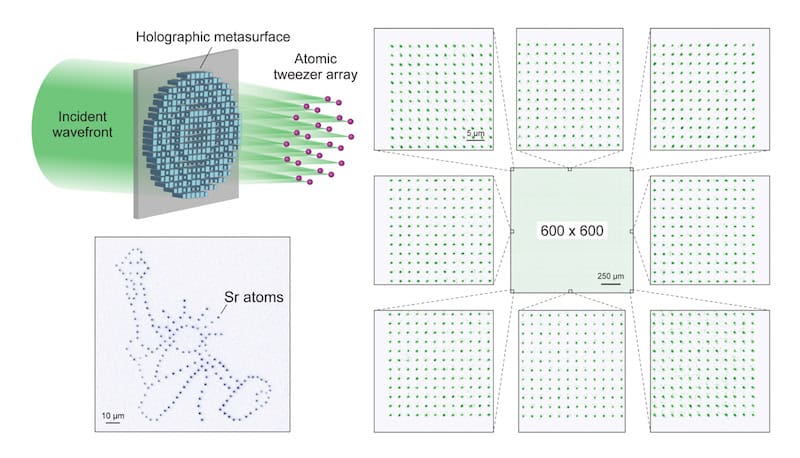
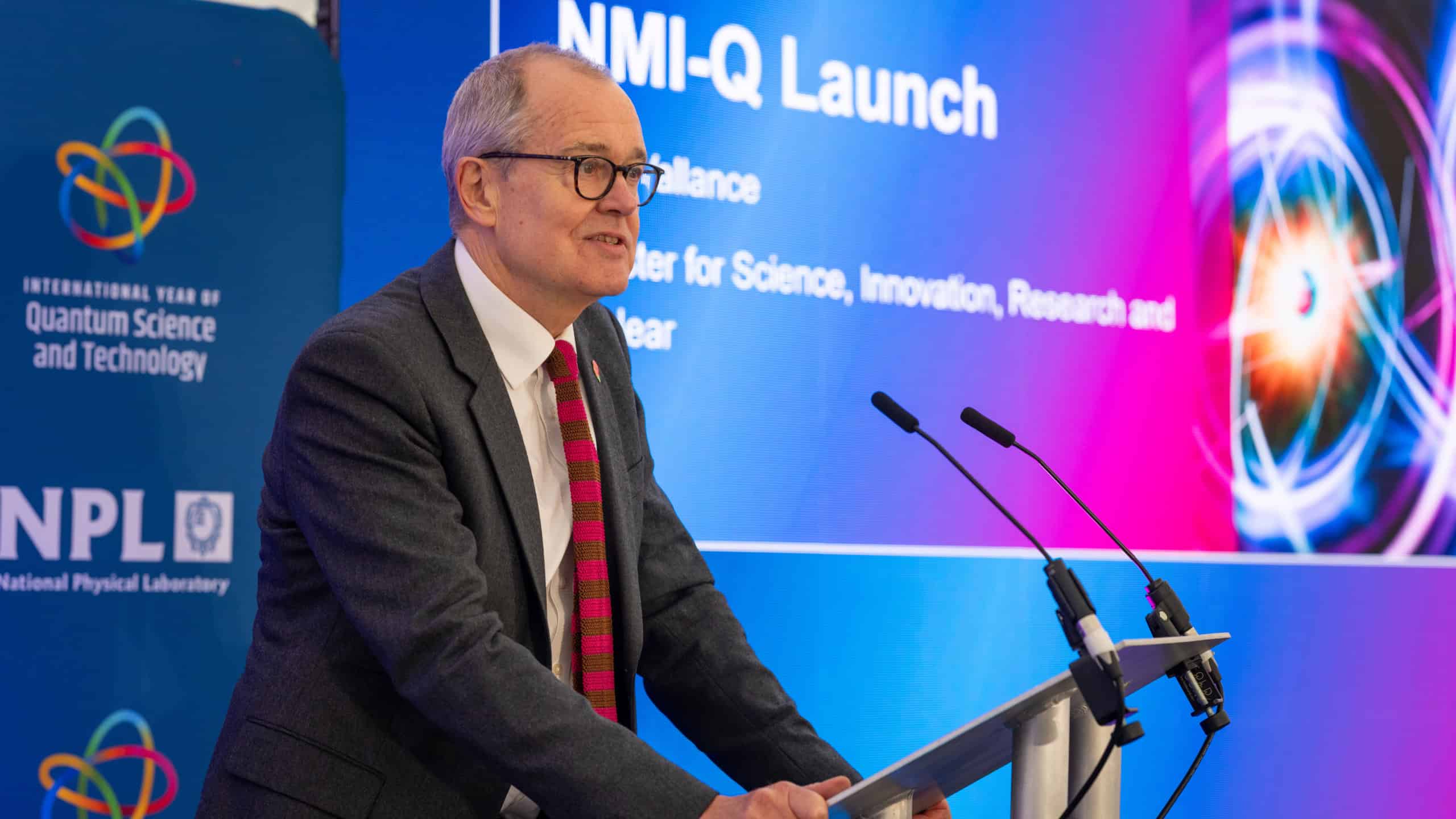
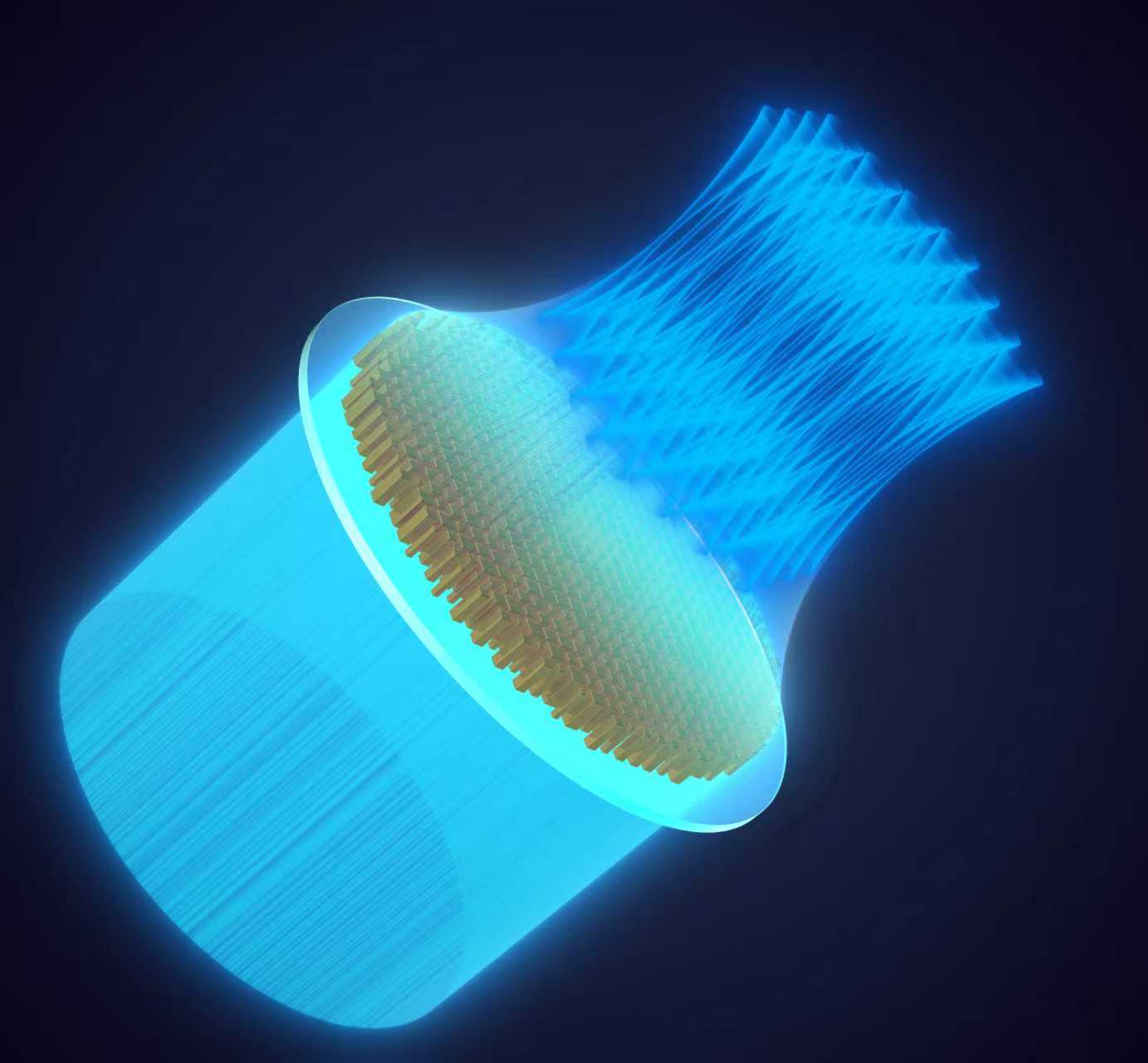
Several key trends are converging to accelerate quantum computing's practical applications. Silicon Quantum Computing has made a compelling case for silicon-based quantum processors with their impressive 11-qubit system, potentially offering a more manufacturable path forward using existing semiconductor infrastructure. Meanwhile, researchers are pushing the boundaries of scalability through innovative approaches: metasurfaces are enabling the creation of massive neutral atom arrays with the potential for over 100,000 qubits, while advances in Majorana qubit readout mechanisms promise more robust quantum computation. The field is also seeing increased collaboration, with National Metrology Institutes joining forces to establish international quantum technology standards, and new insights emerging about how quantum entanglement can reveal the computational difficulty of problems.
Looking ahead, these developments signal a quantum computing landscape that is rapidly maturing across multiple fronts. The convergence of improved hardware platforms, enhanced security protocols, and standardized metrology suggests we may be approaching an inflection point where quantum technologies transition from laboratory curiosities to practical infrastructure. Readers should watch for continued progress in silicon-based quantum processors, the scaling of neutral atom systems toward the 100,000-qubit milestone, and the expansion of quantum-secure communication networks beyond individual cities to interconnected regional networks.







.jpg)