The headline of today’s quantum roundup comes from Europe: Planckian has been named one of the thirteen winners in Phase 1 of the EuroHPC Quantum Grand Challenge, a flagship EU programme that will funnel resources into the most promising routes toward industrial‑scale quantum computers. The selection not only validates Planckian’s roadmap for scalable hardware but also signals a coordinated continental push to match the United States and Asia in building a commercial quantum ecosystem.
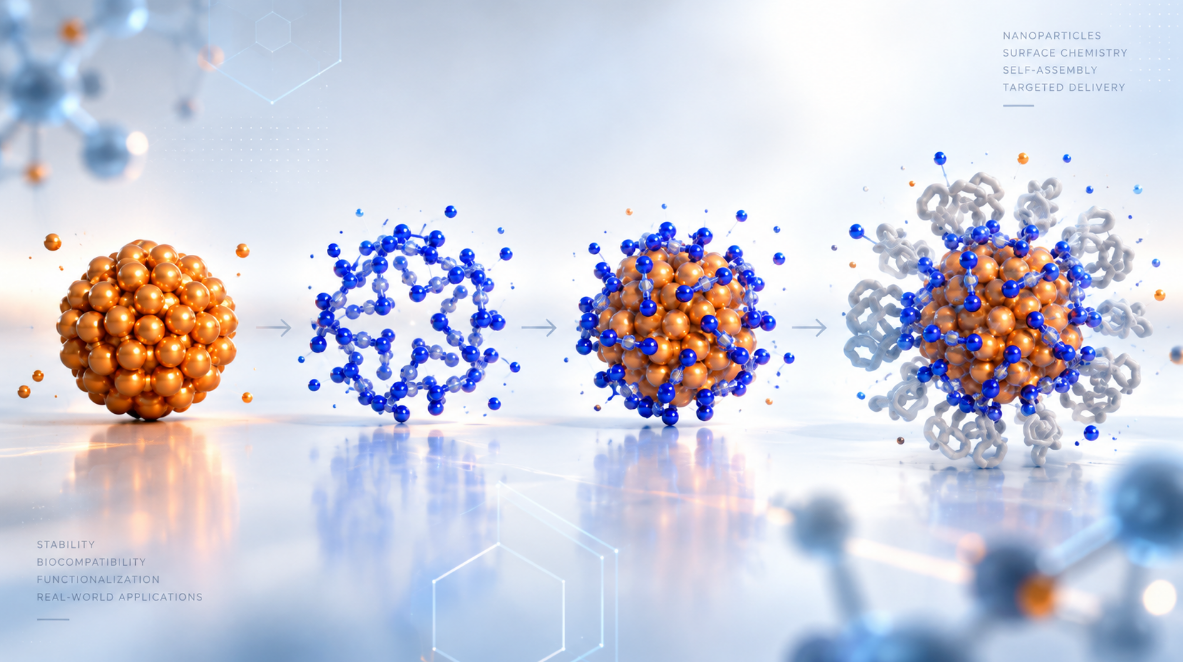
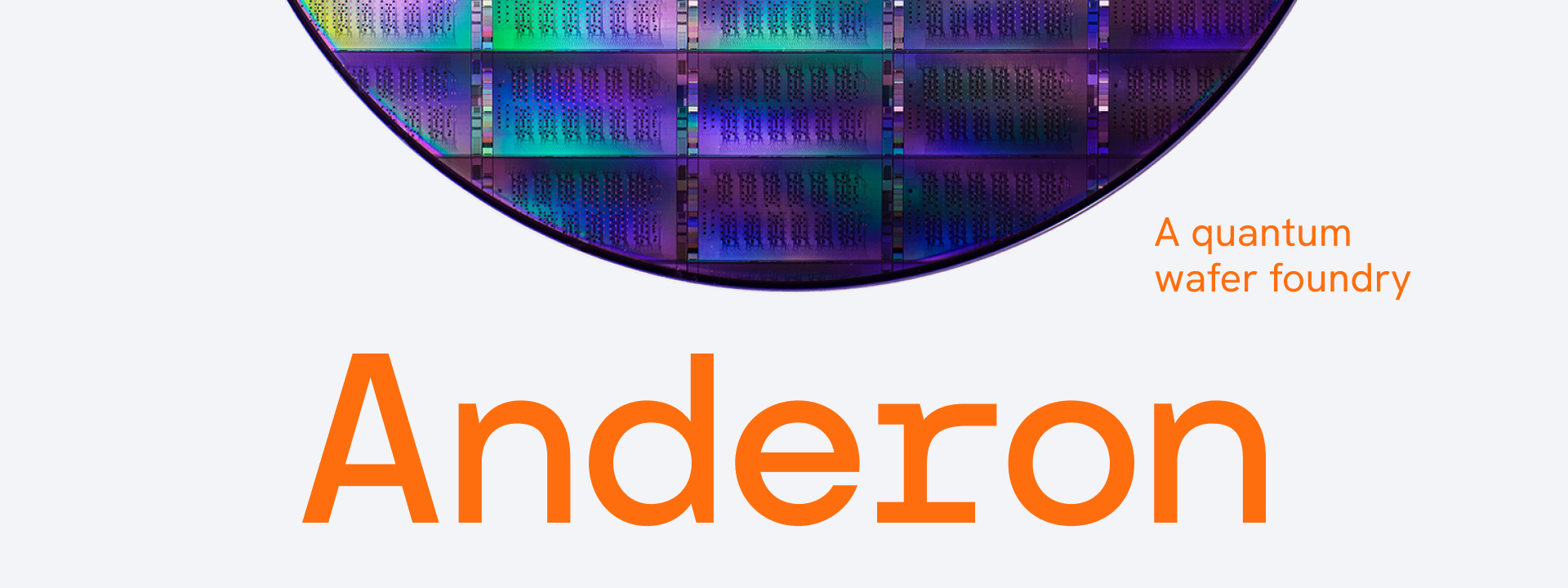
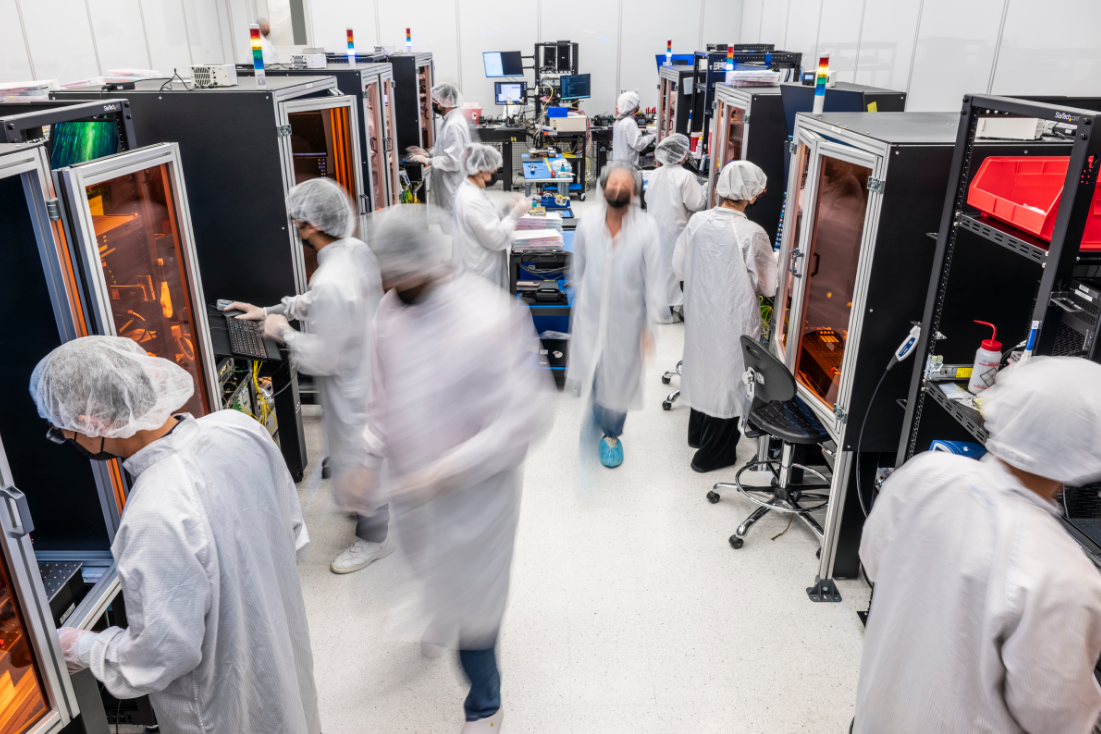
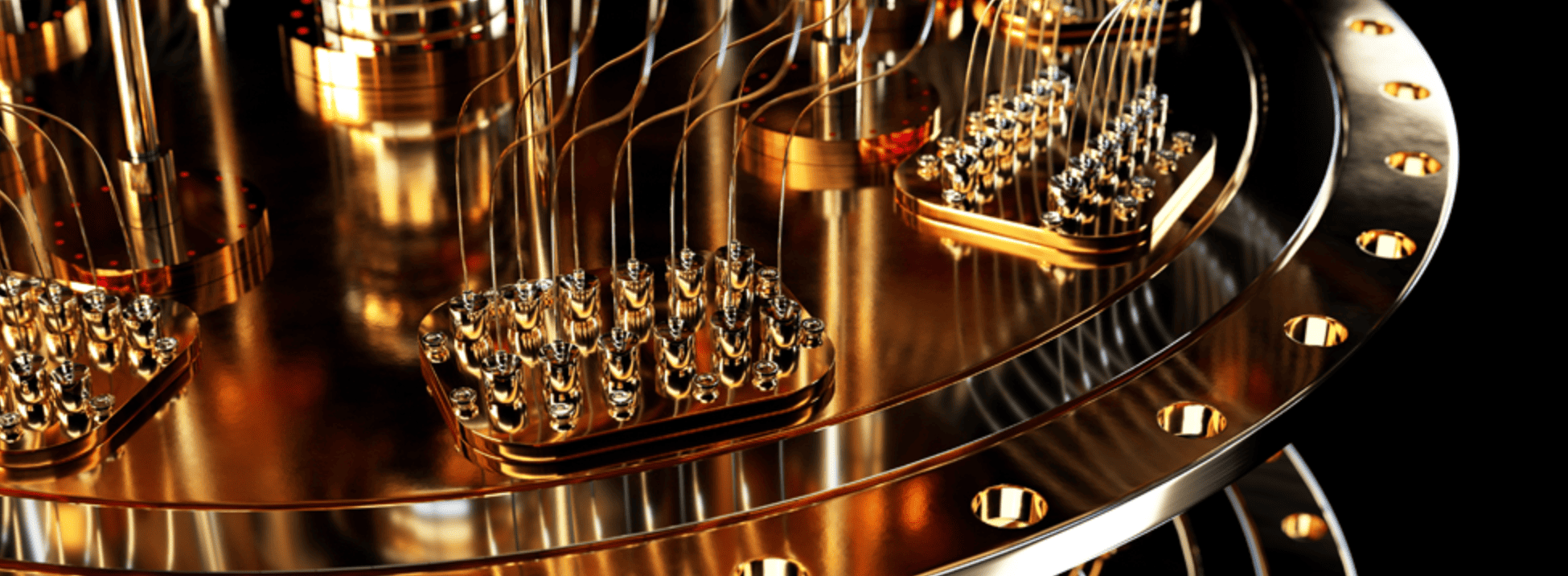
Across the globe the same theme of scale is echoing in multiple fronts. In France, Quobly showcased full qubit readout, single‑qubit rotations and two‑qubit gates on a single 300 mm silicon chip fabricated with its QSOI® architecture, proving that spin‑based processors can move from laboratory wafers to the high‑volume semiconductor line. Meanwhile, IBM’s Anderon subsidiary secured a combined $2 billion under the U.S. CHIPS Act to expand a pure‑play 300 mm quantum wafer fab in Albany, while Mitsubishi Electric won NEDO backing for two ambitious R&D streams aimed at mass‑producing superconducting qubits. At the same time, research is diversifying beyond silicon and superconductors: teams are betting on nanoscale gold structures to tame decoherence, optical platforms are being reviewed for their unique advantages, and algorithmic work such as a variational quantum transformer points toward near‑term NISQ applications in synthetic language generation. Even niche use cases like underwater quantum key distribution are getting attention, with new error‑correction analyses targeting the harsh marine environment.
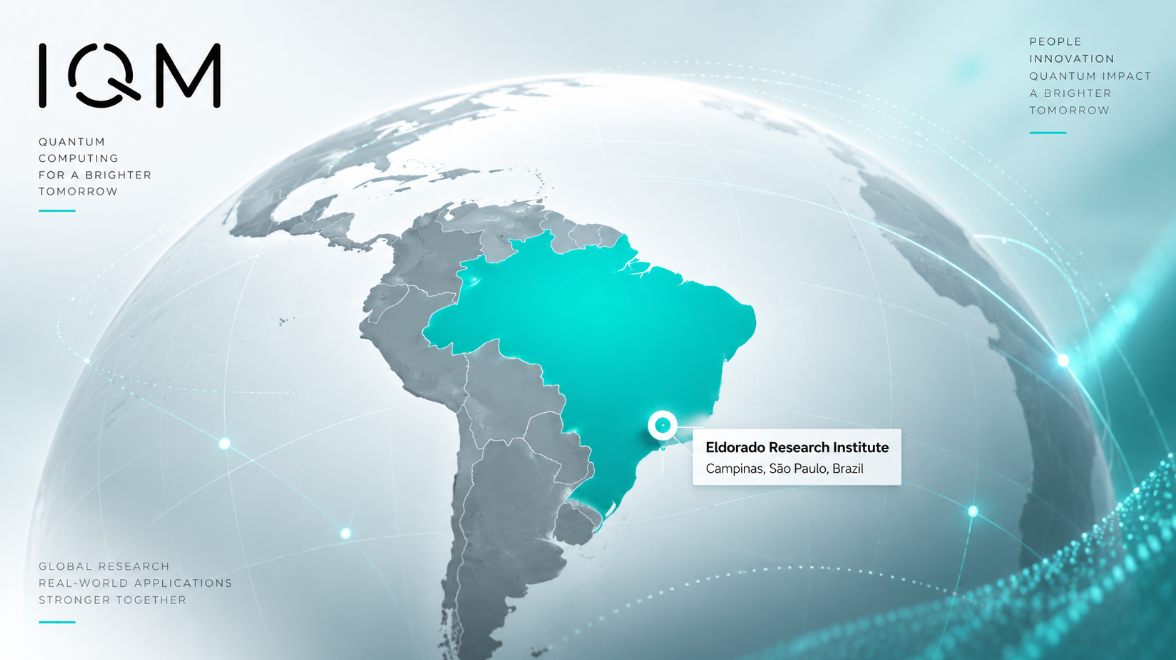
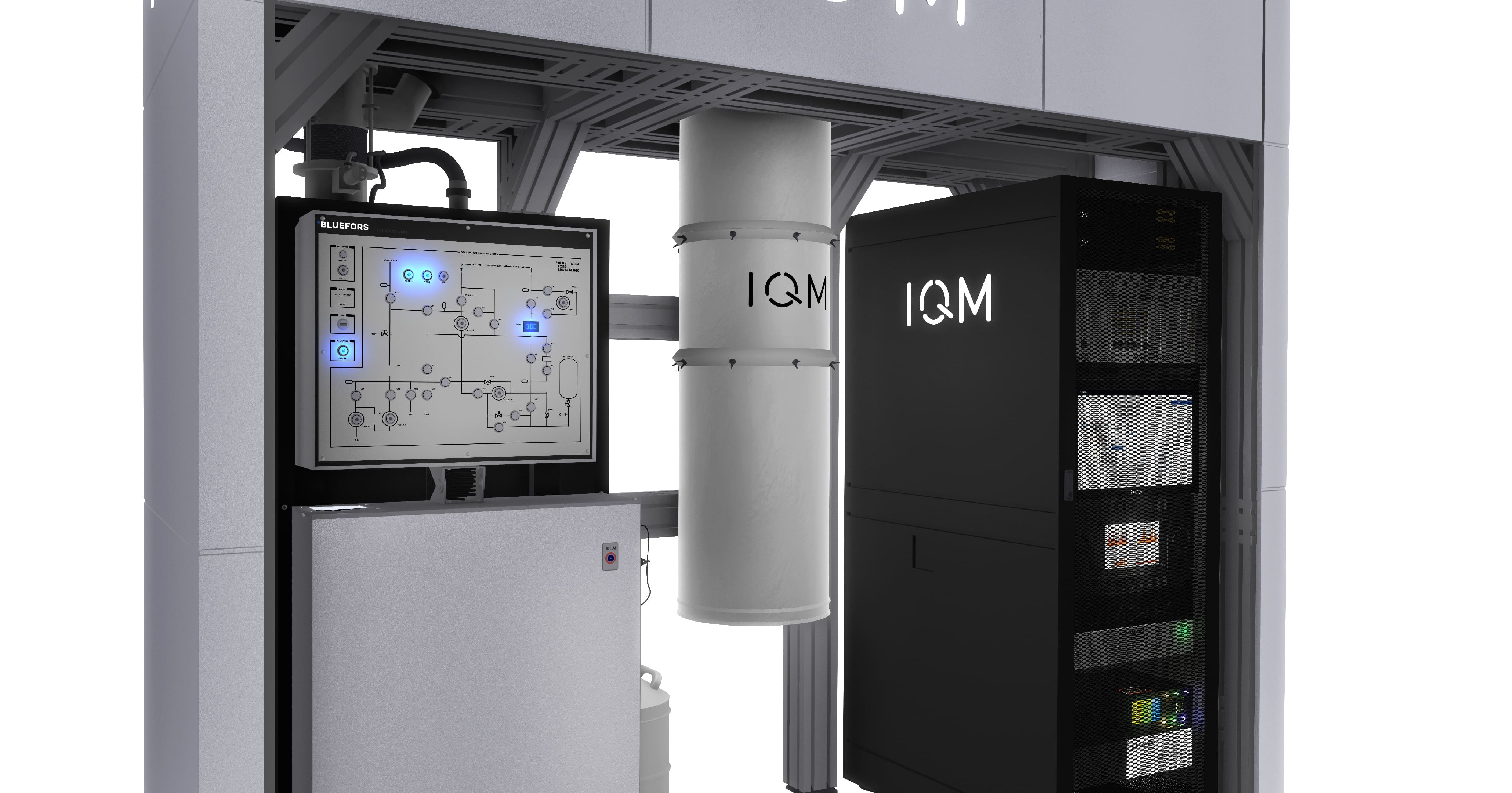
Looking ahead, readers should keep an eye on how Planckian’s EuroHPC milestone translates into concrete hardware prototypes as Phase 2 funding decisions loom. The next batch of silicon‑spin demonstrations from Quobly and the ramp‑up at Anderon’s Albany facility will test whether 300 mm production can meet the yield and coherence targets demanded by large‑scale algorithms. In Asia, Mitsubishi’s NEDO projects could deliver a new class of superconducting chips that complement Europe’s efforts, while IQM’s deployment in Brazil marks the first quantum computer on the South American continent—a move that may spur regional collaborations and talent pipelines. Finally, the convergence of novel qubit materials (gold, photons) with advanced error‑correction schemes and hybrid quantum‑classical models suggests that the coming months will be rich with proof‑of‑concept breakthroughs that set the stage for the first commercially viable quantum services.











.jpg)
































AI Commentary