Curator's Take
AI Commentary
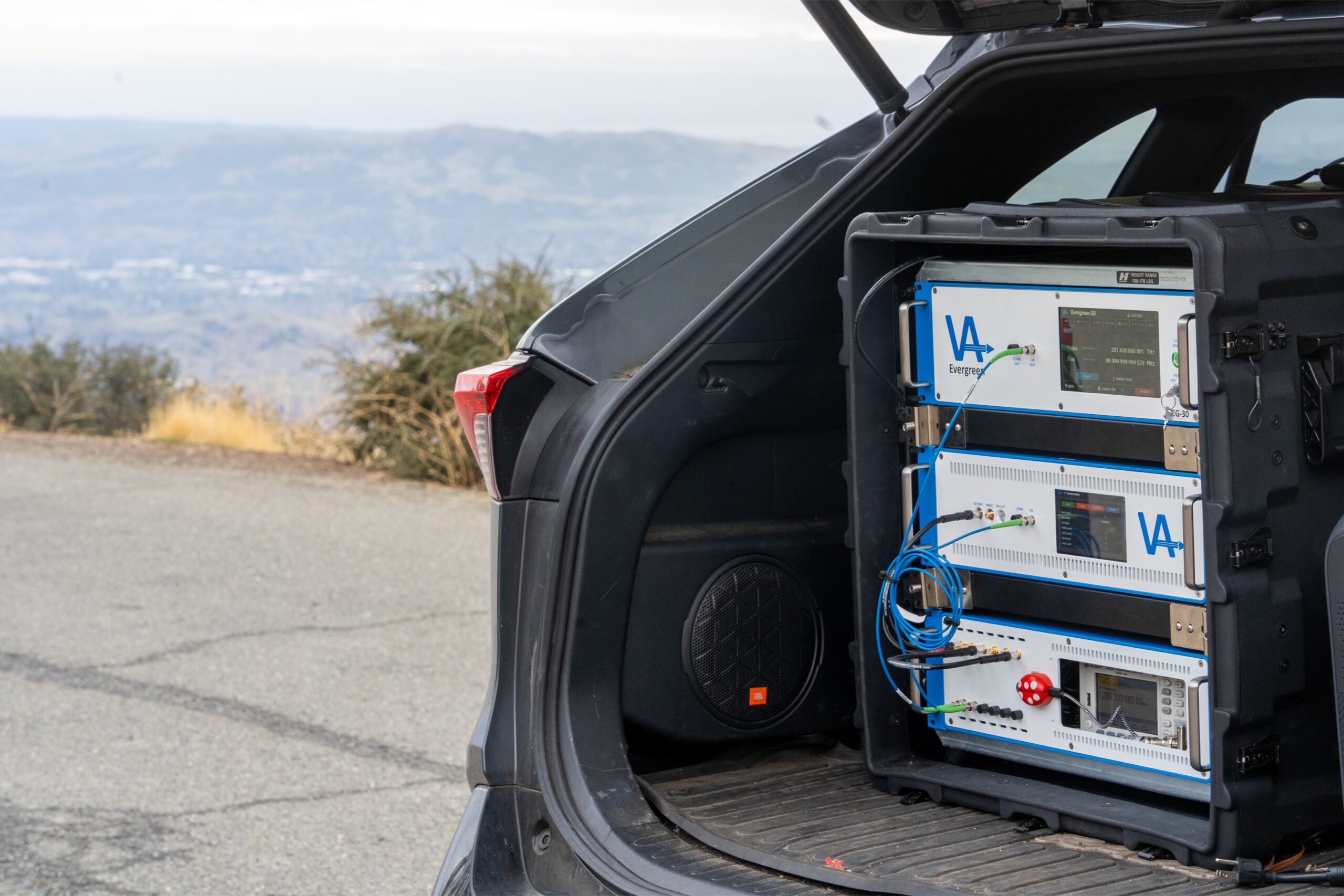
This article highlights IonQ’s move from quantum‑computing hardware into the emerging field of quantum‑enhanced navigation and timing, demonstrating that atomic‑scale control can now be deployed on moving platforms. The DARPA gravimeter award and the 51‑day maritime trial of the Evergreen‑30 optical clock show tangible progress toward GPS‑denied positioning, a capability long sought after for defense and autonomous systems. By proving that quantum sensors can operate reliably in harsh, real‑world environments, IonQ is helping to broaden the commercial market for quantum technologies beyond pure computation. The work also underscores the remaining engineering challenges of scaling such devices for widespread use, but it marks a clear step toward practical quantum‑assured navigation.
— Mark Eatherly
Summary
IonQ's Vector Atomic subsidiary has made significant strides in quantum sensing for navigation and timing. They received a DARPA award to develop an airborne quantum gravimeter and successfully completed a 51-day maritime trial of their Evergreen-30 optical atomic clock for GPS-denied environments. These advancements aim to provide resilient position, navigation, and timing capabilities for defense platforms. The post IonQ Advances Quantum-Assured Navigation and Timing with DARPA Airborne Gravimeter Award and 51-Day Maritime Clock Trial appeared first on Quantum Computing Report .