Curator's Take
This article highlights a genuine leap forward because it demonstrates entanglement between photons and electrons at room temperature using orbital angular momentum—twisted light—sidestepping the cryogenic infrastructure that has limited most quantum hardware. By showing that coherent spin‑photon coupling can survive without extreme cooling, the work dovetails with recent efforts to integrate photonic interconnects into solid‑state qubits and could accelerate the development of compact, low‑cost quantum processors and secure communication nodes. The result also underscores that practical scalability will still depend on improving fidelity and integration density, but it marks a clear step toward more accessible quantum technologies.
— Mark Eatherly
Summary
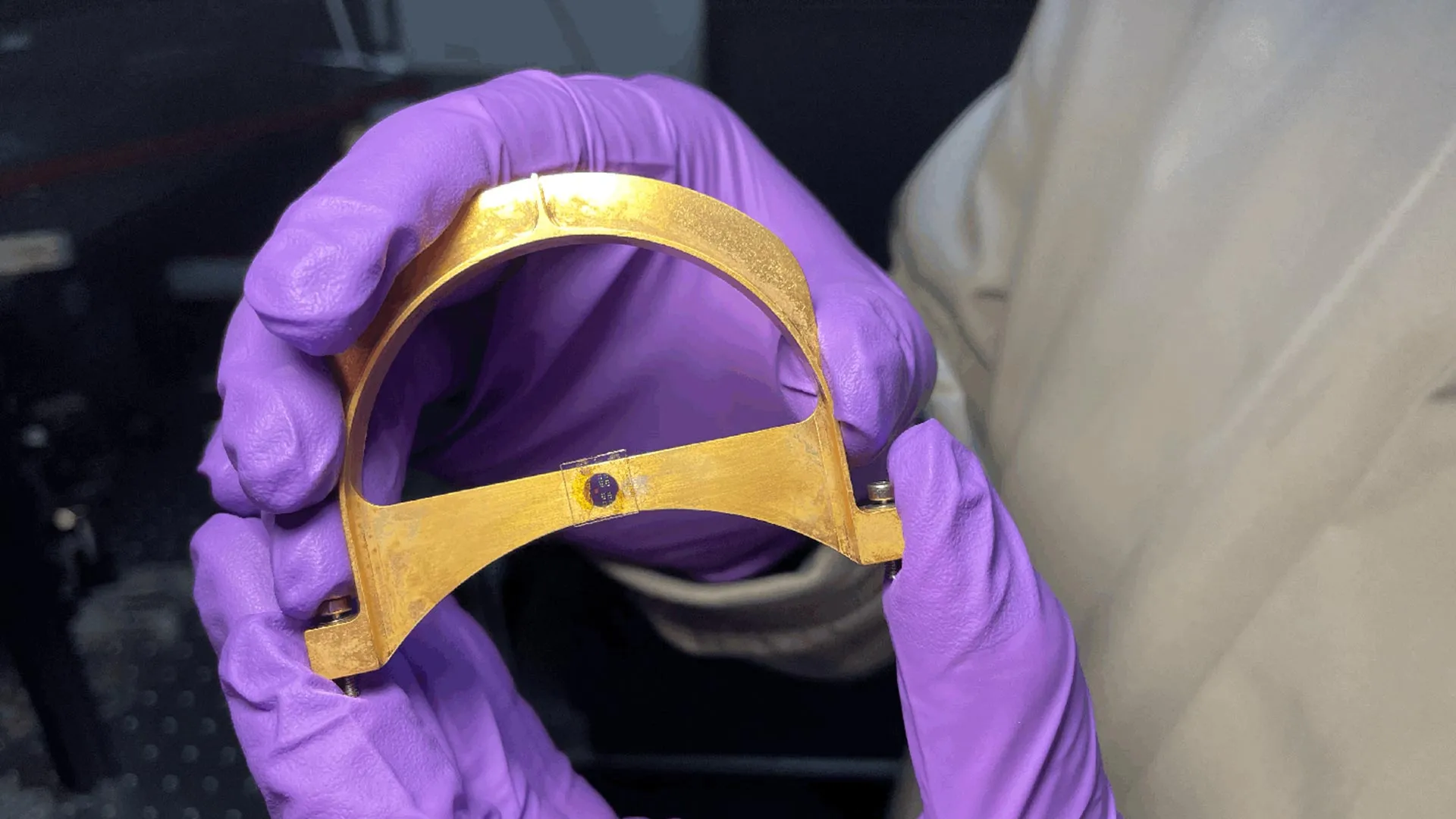
A new room-temperature quantum device uses twisted light to entangle photons and electrons, overcoming one of the biggest hurdles in quantum technology. The breakthrough could pave the way for smaller, cheaper quantum systems with applications ranging from secure communications to future AI and computing platforms.