Curator's Take
This development signals NIST's recognition that the cryptographic landscape needs multiple backup options as quantum computers edge closer to breaking current encryption methods. While NIST already standardized several post-quantum algorithms in 2022, advancing nine additional digital signature schemes to the third round shows the agency is building redundancy into our cryptographic defenses rather than putting all eggs in one basket. The move reflects growing urgency in the quantum threat timeline, as recent advances in quantum error correction and fault-tolerant computing have made the prospect of cryptographically relevant quantum computers more concrete. Having diverse post-quantum signature algorithms ready ensures that if vulnerabilities are discovered in the primary standards, organizations will have proven alternatives to maintain secure communications in the quantum era.
— Mark Eatherly
Summary
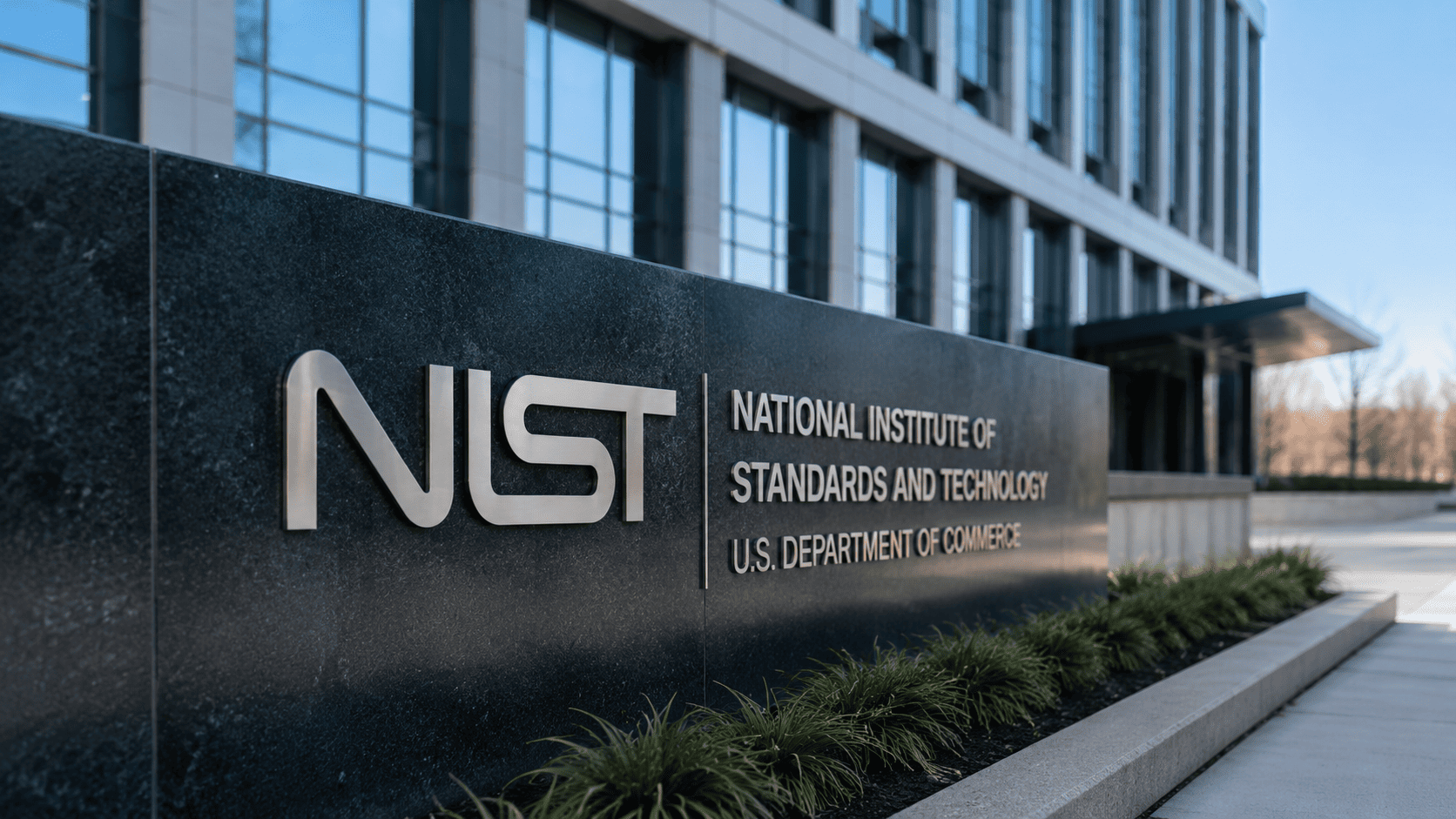
Insider Brief The U.S. government is moving to widen the pool of post-quantum cryptography tools as concerns grow that future quantum computers could eventually break parts of today’s encryption systems. The National Institute of Standards and Technology said it has selected nine digital signature algorithms to advance to the third round of its Additional Digital […]