Curator's Take
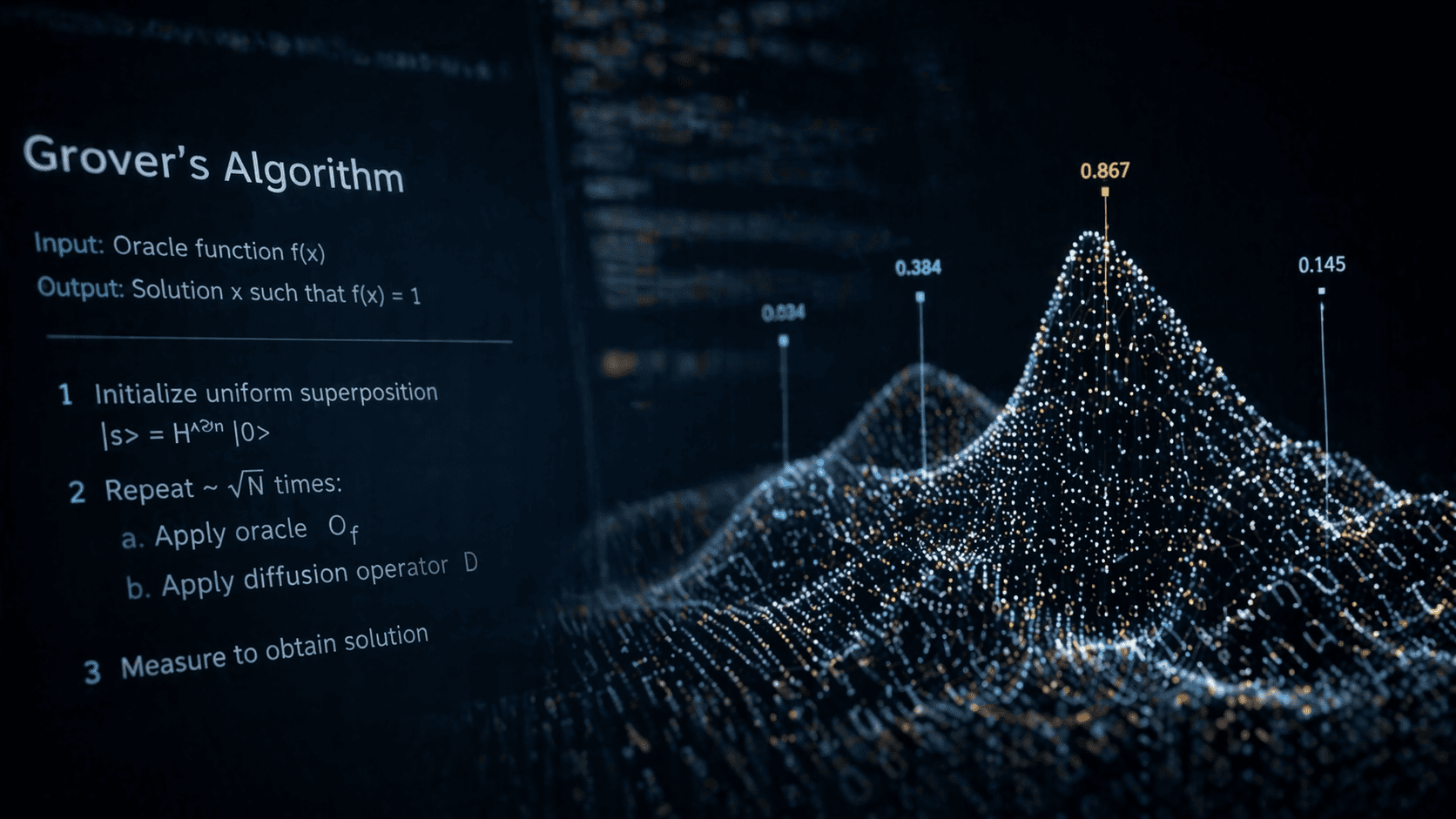
This article highlights a crucial but often overlooked distinction in quantum cryptography discussions: while quantum computers pose a well-documented threat to public-key encryption through Shor's algorithm, symmetric encryption like AES-128 faces far less quantum vulnerability. Valsorda's analysis reinforces that Grover's algorithm would only halve the effective key length of symmetric ciphers, meaning AES-128 would still provide 64-bit security against quantum attacks—computationally impractical even for future quantum computers. This finding is significant because it helps organizations prioritize their post-quantum transition efforts, suggesting they should focus resources on replacing RSA and elliptic curve cryptography rather than scrambling to upgrade perfectly adequate symmetric encryption systems. The research provides much-needed clarity in a field where quantum threats are often overgeneralized, helping separate genuine near-term risks from theoretical distant concerns.
— Mark Eatherly
Summary
Insider Brief Quantum computers are unlikely to weaken today’s widely used symmetric encryption, according to a new analysis that challenges a common assumption about quantum threats and suggests security efforts should focus elsewhere. A blog post by cryptography researcher Filippo Valsorda finds that 128-bit symmetric keys, such as those used in AES-128, remain effectively secure […]