Curator's Take
AI Commentary
This article shows that a hybrid quantum‑classical workflow can already tackle realistic drug‑docking problems on today’s noisy intermediate‑scale quantum (NISQ) processors, marking one of the first demonstrations of pharmaceutical relevance for IBM’s hardware. By reproducing the same binding contacts as classical methods for two small‑molecule–protein pairs, the work builds on recent advances in variational quantum eigensolvers and quantum Monte Carlo techniques that aim to accelerate quantum chemistry calculations. While still limited to modest system sizes and subject to noise‑induced errors, the study hints at a near‑term pathway for pharma researchers to explore candidate interactions before full‑scale fault‑tolerant machines arrive.
— Mark Eatherly
Summary
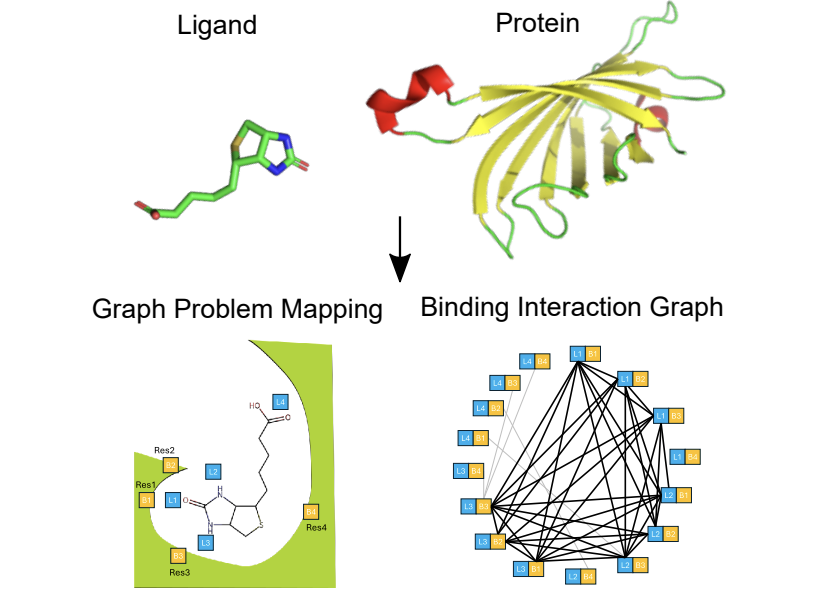
Insider Brief A team of Singapore-based researchers reports that a hybrid quantum-classical method could offer a new route to studying drug candidates using today’s Noisy Intermediate-Stage Quantum (NISQ) devices. The researchers used the method to examine how two small molecules bind to proteins. In both tests, the quantum computer identified the same molecular contacts as […]