Curator's Take
AI Commentary
This article showcases a practical step toward removing the labor‑intensive “tuning” phase that has long limited the throughput of superconducting processors, demonstrating that a 21‑qubit device can be taken from cold start to usable gate fidelities in under three hours without human intervention. By integrating Q‑CTRL’s Boulder Opal platform with QuantWare hardware, the work builds on recent automation efforts such as IBM’s “zero‑touch” calibration and Google’s automated error mitigation pipelines, highlighting a convergence toward fully self‑optimizing quantum stacks. If the approach scales to larger arrays, it could dramatically shorten experiment turnaround times and make cloud‑based access to high‑fidelity qubits more reliable, though its performance on devices with tighter cross‑talk constraints remains to be validated.
— Mark Eatherly
Summary
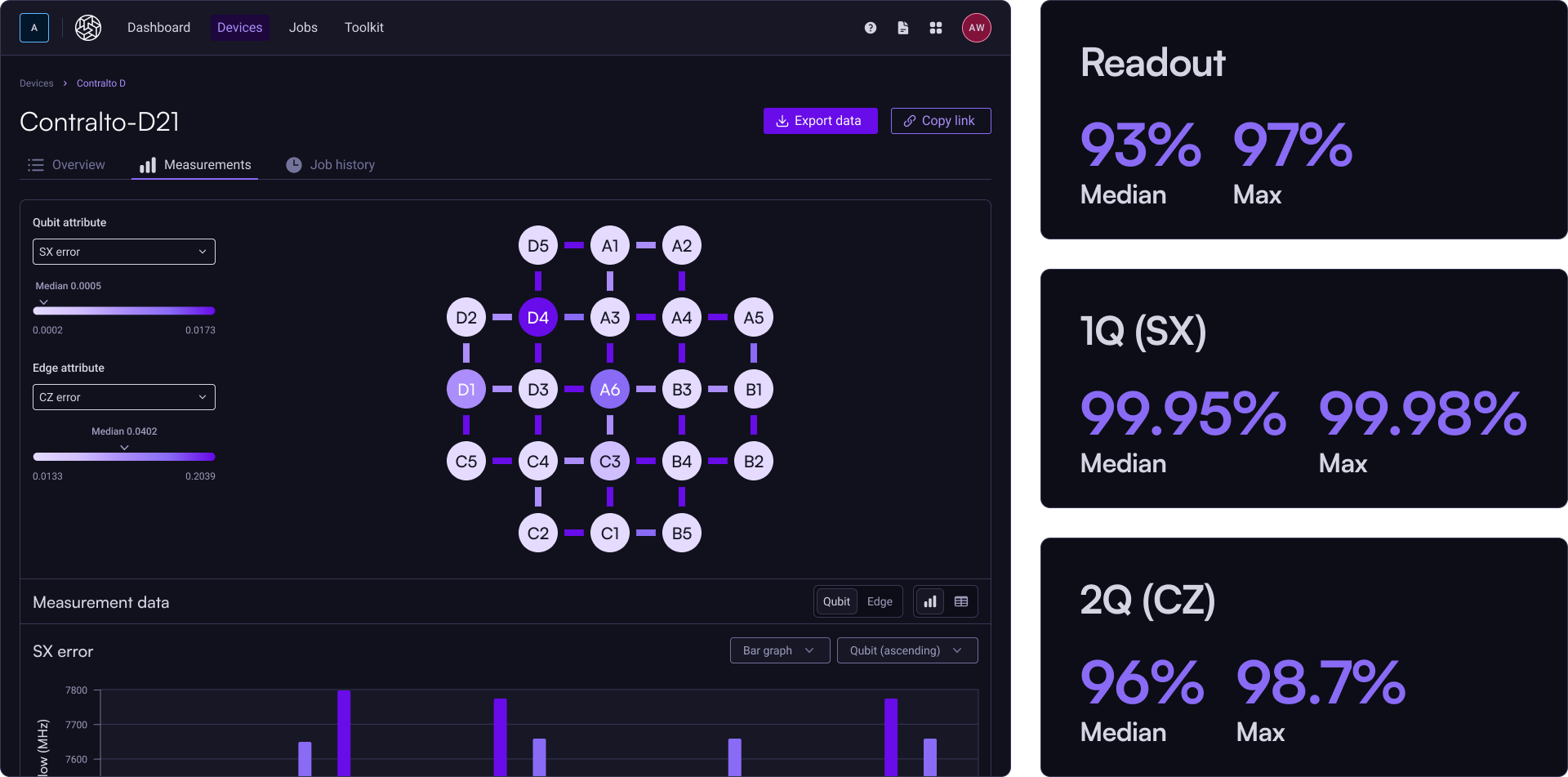
Q-CTRL has demonstrated an autonomous, cold-start calibration process for QuantWare superconducting processors using its Boulder Opal control platform. This technology can bring a 21-qubit QuantWare Contralto-D21 device from an uncalibrated state to operational gate fidelities in under three hours, significantly reducing the manual effort and time typically required. This innovation addresses a major bottleneck in scaling superconducting quantum computers by automating the complex tuning and stabilization of control parameters, which often fail with conventional methods due to environmental drift. The post Q-CTRL Demonstrates Push-Button Cold-Start Calibration on QuantWare Superconducting QPUs appeared first on Quantum Computing Report .