Curator's Take
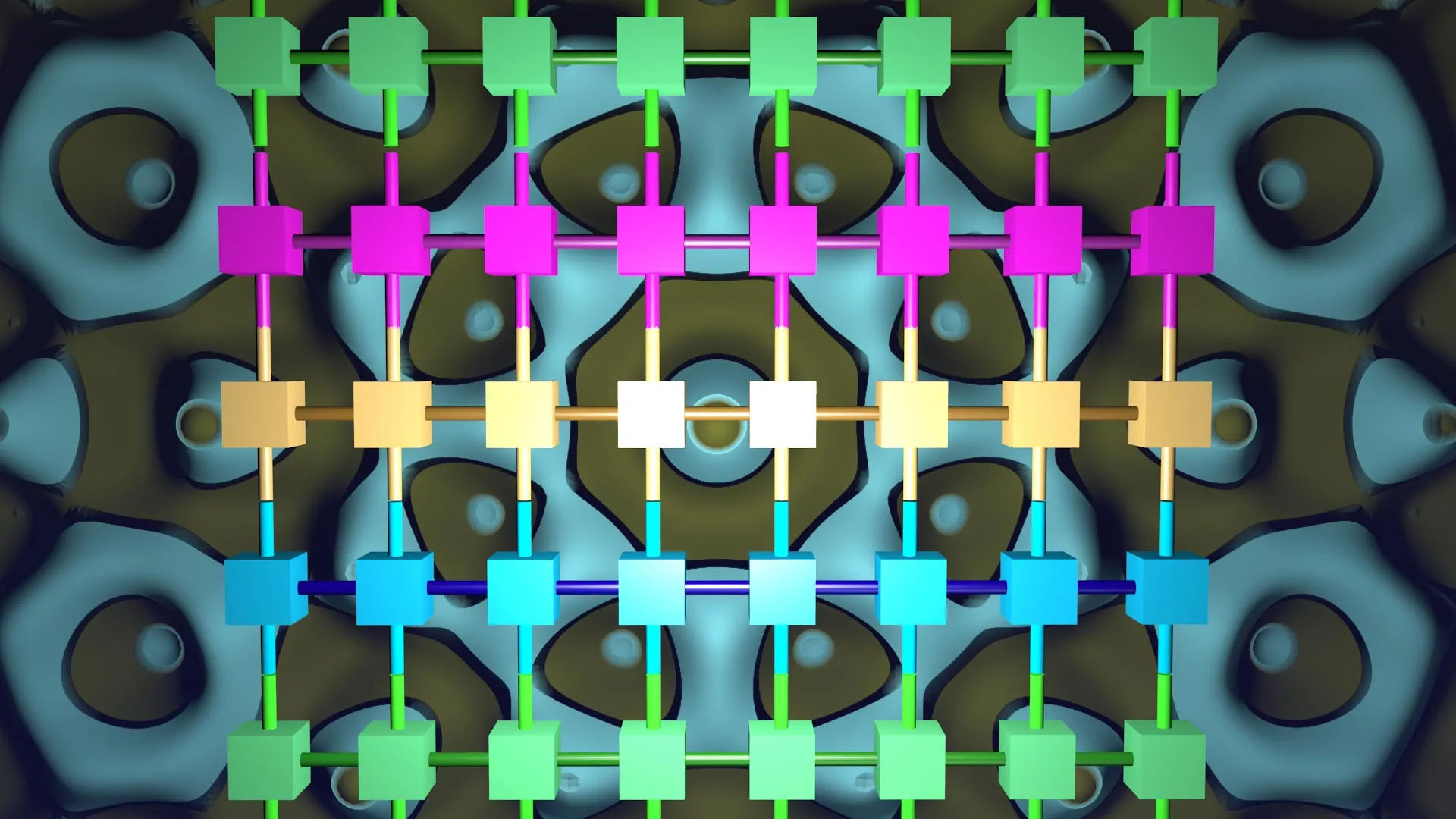
This breakthrough represents a fascinating convergence where quantum-inspired algorithms running on classical computers are actually helping us design better quantum hardware - a delightful irony that showcases the field's rapid evolution. The ability to simulate quasicrystals, which have exotic properties due to their non-repeating atomic patterns, could accelerate the development of topological qubits that are inherently protected from certain types of quantum errors. What makes this particularly exciting is that topological quantum computing has long been considered a holy grail for fault-tolerant quantum systems, and having better tools to design the underlying materials could significantly shorten the path from laboratory curiosities to practical quantum processors. The "impossible" framing might be hyperbolic, but cracking previously intractable materials problems in seconds rather than years genuinely opens new research frontiers.
— Mark Eatherly
Summary
A new quantum-inspired algorithm has cracked a problem so massive that conventional supercomputers struggle to even approach it. Researchers used the method to simulate extraordinarily complex quantum materials known as quasicrystals, opening the door to powerful new quantum devices and ultra-efficient electronics. The work could help scientists design advanced topological qubits and materials for future quantum computers.