Curator's Take
This article highlights a significant milestone in the race to develop scalable quantum processors, as Groove Quantum demonstrates that germanium-based spin qubits could offer a compelling alternative to the silicon and superconducting approaches dominating the field. The debut of their 18-qubit processor represents the largest germanium spin-qubit system to date, which is particularly noteworthy given that spin qubits are often touted as having superior scalability potential due to their small size and compatibility with existing semiconductor manufacturing. The substantial €16 million funding round signals growing investor confidence in alternative qubit technologies, especially those emerging from leading research institutions like TU Delft. While 18 qubits may seem modest compared to some superconducting systems, germanium spin qubits could eventually enable much denser qubit packing and better integration with classical electronics, making this a development worth watching closely.
— Mark Eatherly
Summary
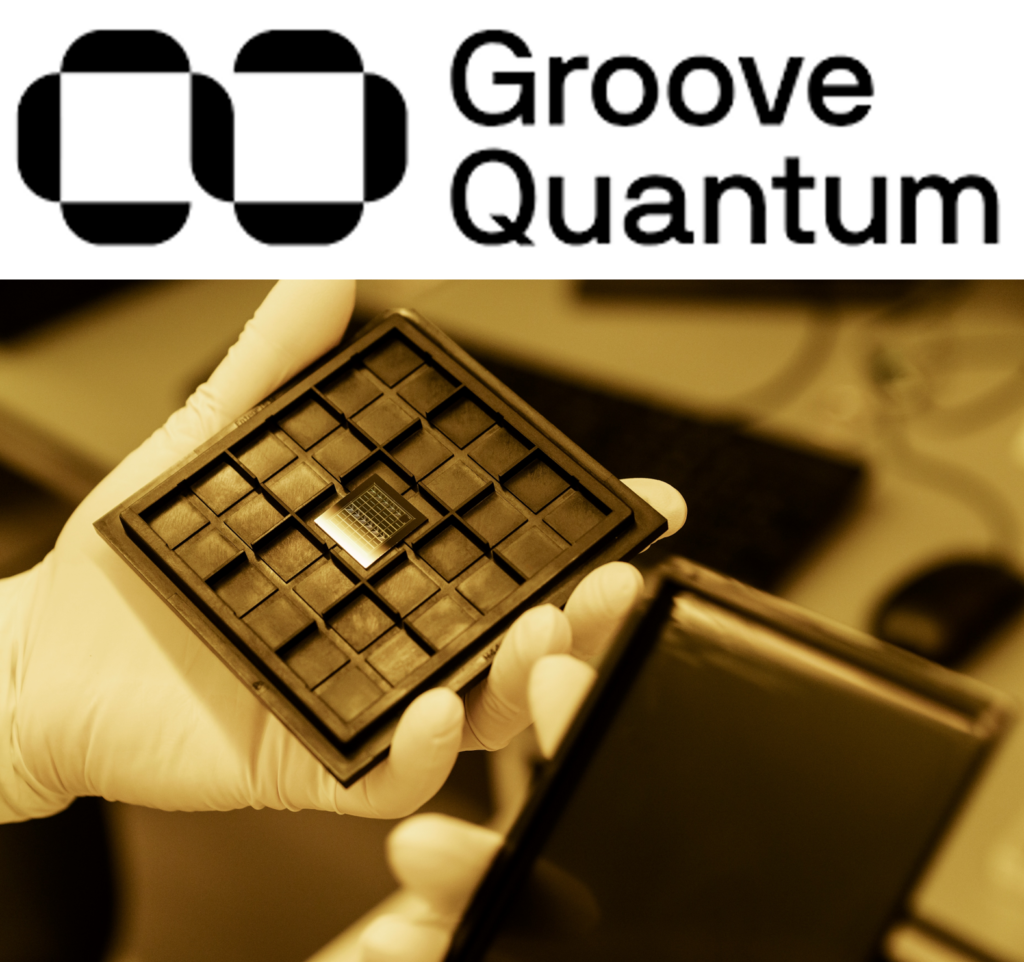
Groove Quantum, a spin-out from the Delft University of Technology (TU Delft) has secured €16 million ($18.7M USD) in combined equity and grants to accelerate the development of its germanium-based quantum processors. Alongside the funding, the company unveiled an 18-qubit semiconductor spin-qubit processor, currently the largest of its kind. The funding included a €10 million [...] The post Groove Quantum Secures €16 Million ($18.7M USD) to Scale Germanium Spin-Qubits; Debuts 18-Qubit Processor appeared first on Quantum Computing Report .