Curator's Take
This article highlights Q-CTRL's innovative approach to one of quantum computing's most pressing challenges: how to efficiently scale quantum systems beyond current hardware limitations. Rather than simply adding more qubits to a single processor, Q-NEXUS proposes breaking quantum computers into specialized modules connected by an interconnect bus, similar to how modern classical computers use different processors for different tasks. This heterogeneous architecture could dramatically reduce the physical overhead required for fault-tolerant quantum computing by allowing each module to be optimized for specific functions like computation, memory, or error correction. The approach represents a significant shift in thinking about quantum computer design and could accelerate the path to practical, large-scale quantum systems by making better use of available quantum resources.
— Mark Eatherly
Summary
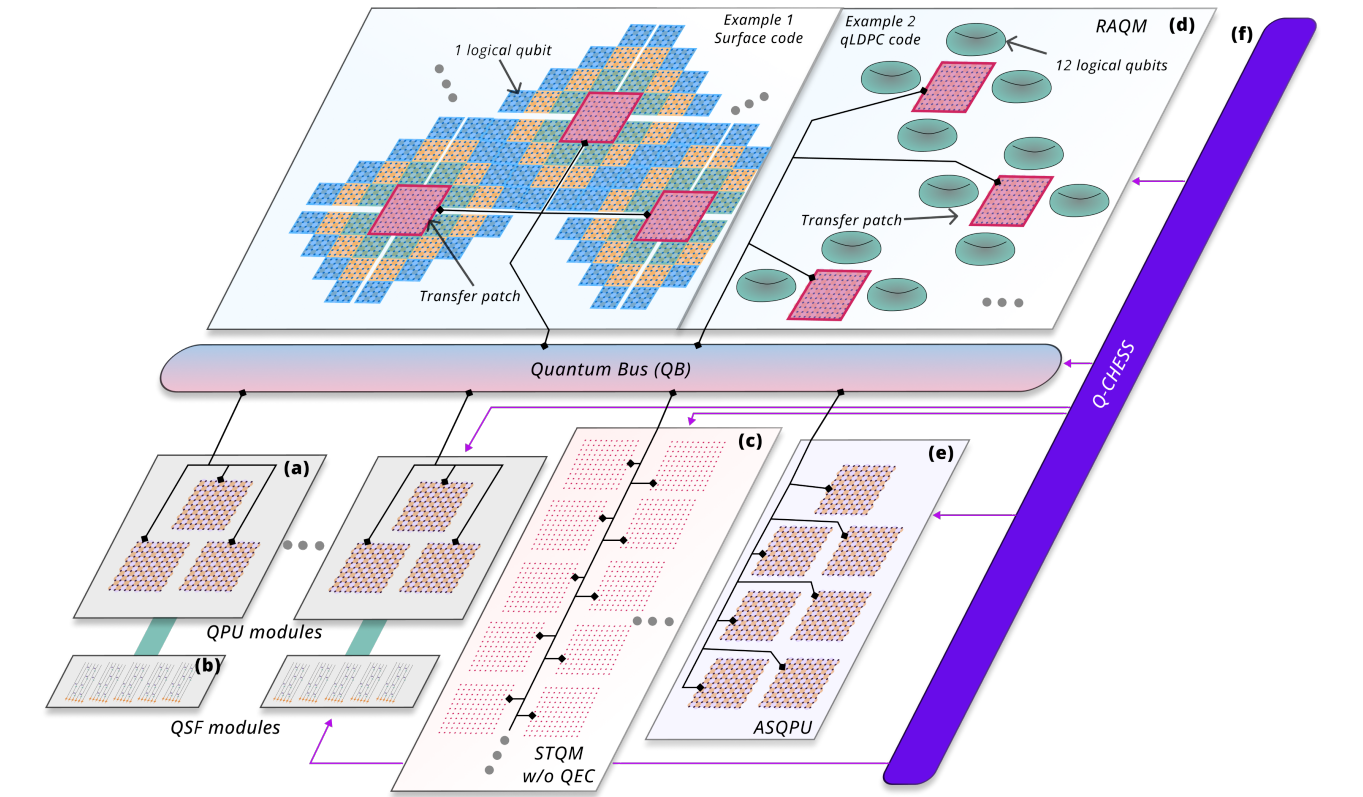
Overview of Q-NEXUS: a heterogeneous architecture made of specialized functional modules connected through an interconnect bus Q-CTRL has introduced Q-NEXUS, a heterogeneous quantum computing architecture designed to address the physical resource bottlenecks currently limiting large-scale quantum computers. Rather than scaling a single monolithic array of qubits, the Q-NEXUS framework decomposes the system into specialized functional [...] The post Q-CTRL Proposes Heterogeneous Architecture to Optimize Fault-Tolerant Resource Requirements appeared first on Quantum Computing Report .