Curator's Take
This development represents a significant moment in the ongoing quantum supremacy debate, as classical algorithms continue to push back against early claims of quantum advantage. The Flatiron Institute's tensor network approach demonstrates how sophisticated classical computing techniques can sometimes catch up to quantum demonstrations that initially appeared beyond classical reach, highlighting the importance of rigorous benchmarking in quantum computing claims. While this doesn't diminish the potential of quantum computing, it underscores that the bar for demonstrating true quantum advantage keeps rising as classical algorithms become more sophisticated. This kind of healthy scientific scrutiny is essential for the field's credibility and helps researchers better understand where quantum computers will genuinely outperform classical systems.
— Mark Eatherly
Summary
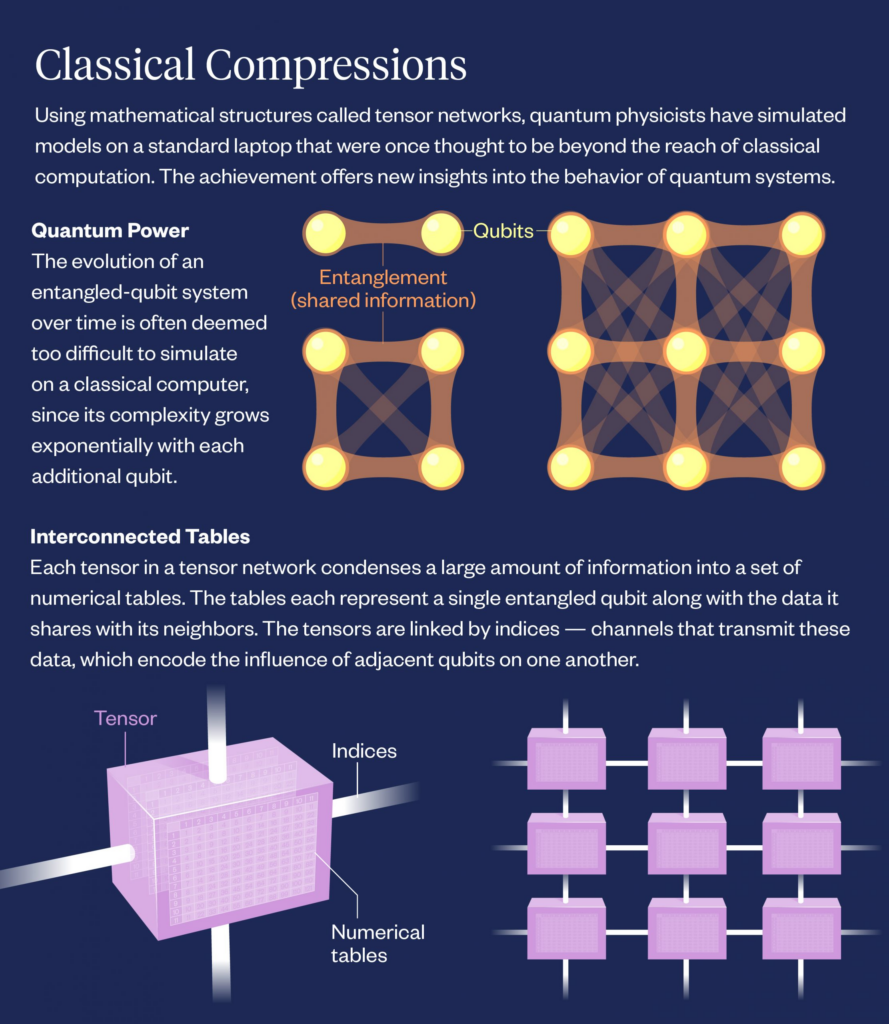
Physicists at the Center for Computational Quantum Physics (CCQ) at the Simons Foundation’s Flatiron Institute, in collaboration with Boston University, have developed a classical algorithm that successfully simulates complex three-dimensional quantum dynamics previously claimed to be impossible without a quantum computer. Published in Science, the study refutes a high-profile "beyond-classical" computation milestone reported in March [...] The post Flatiron Institute Tensor Network Algorithm Overturns Historical D-Wave Quantum Supremacy Claim appeared first on Quantum Computing Report .