Curator's Take
AI Commentary
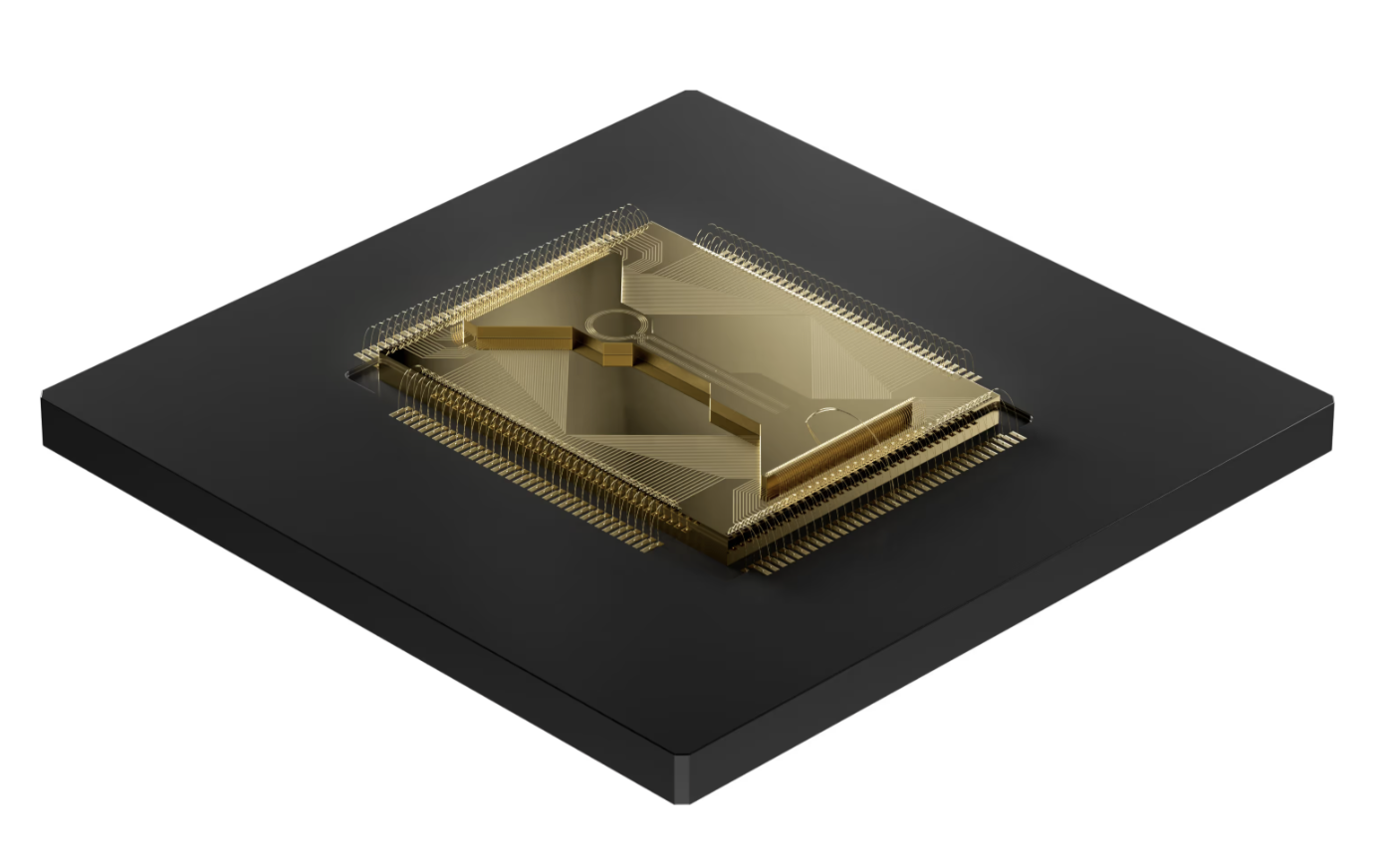
This article highlights the debut of Helios, a fundamentally new quantum‑computer architecture that departs from the superconducting and trapped‑ion designs dominating today’s roadmaps, underscoring how hardware diversification is becoming a strategic lever in the global race for practical quantum advantage. By demonstrating a scalable platform with markedly lower error rates and a modular layout, Helios could accelerate the transition from noisy intermediate‑scale devices to fault‑tolerant processors, complementing recent advances such as IBM’s roadmap to 1 000 qubits and Google’s Sycamore milestones. Readers should note that while the prototype marks a promising leap, full system integration and large‑scale manufacturing remain open challenges before commercial impact can be realized.
— Mark Eatherly
Summary
Guest Post by Animesh Datta, Professor of Quantum Information Science, University of Warwick, for The Conversation In the global race to build bigger and better quantum computers, researchers have taken a step forward. A new machine called Helios is a radically different system compared to other quantum computers. Quantum computers harness the power of quantum mechanics, […]