Curator's Take
This research represents an intriguing convergence of neuromorphic computing and quantum technologies, addressing one of the most pressing challenges in quantum systems: the need for sophisticated control electronics that can operate in the extreme cold required by quantum processors. HKU's cryogenic neuromorphic chip could potentially solve the "wiring problem" that plagues current quantum computers, where thousands of classical control lines must snake from room temperature into dilution refrigerators, creating heat loads and limiting scalability. By placing brain-inspired processing directly at cryogenic temperatures, this approach could enable more efficient qubit control while reducing the classical-quantum interface bottleneck that currently constrains system performance. The dual application to deep-space exploration also highlights how quantum computing innovations often drive advances in other extreme-environment technologies.
— Mark Eatherly
Summary
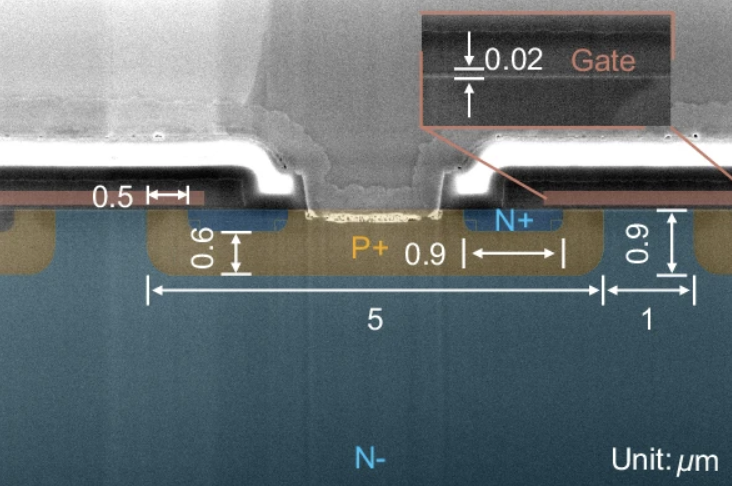
Insider Brief PRESS RELEASE — Researchers from Department of Electrical and Computer Engineering under the Faculty of Engineering at the University of Hong Kong (HKU) and the Centre for Advanced Semiconductors and Integrated Circuits (CASIC), have achieved a major breakthrough in cryogenic electronics. The team have developed a programmable neuromorphic hardware platform that operates near […]