Curator's Take
AI Commentary
This article matters because it showcases a thermodynamic‑computing design that leverages probabilistic transistor networks to execute AI inference with orders‑of‑magnitude lower power than conventional GPU pipelines, addressing the looming energy crisis of today’s data‑center boom. The proposal builds on recent advances in stochastic and analog in‑memory computing—areas already intersecting with quantum‑inspired algorithms—demonstrating that near‑term hardware can adopt physics‑level efficiencies without waiting for full‑scale qubit systems. If the architecture scales, it could give AI developers a practical path to greener workloads while also providing a testbed for hybrid classical‑quantum processing concepts, though experimental validation and integration with existing software stacks remain open challenges.
— Mark Eatherly
Summary
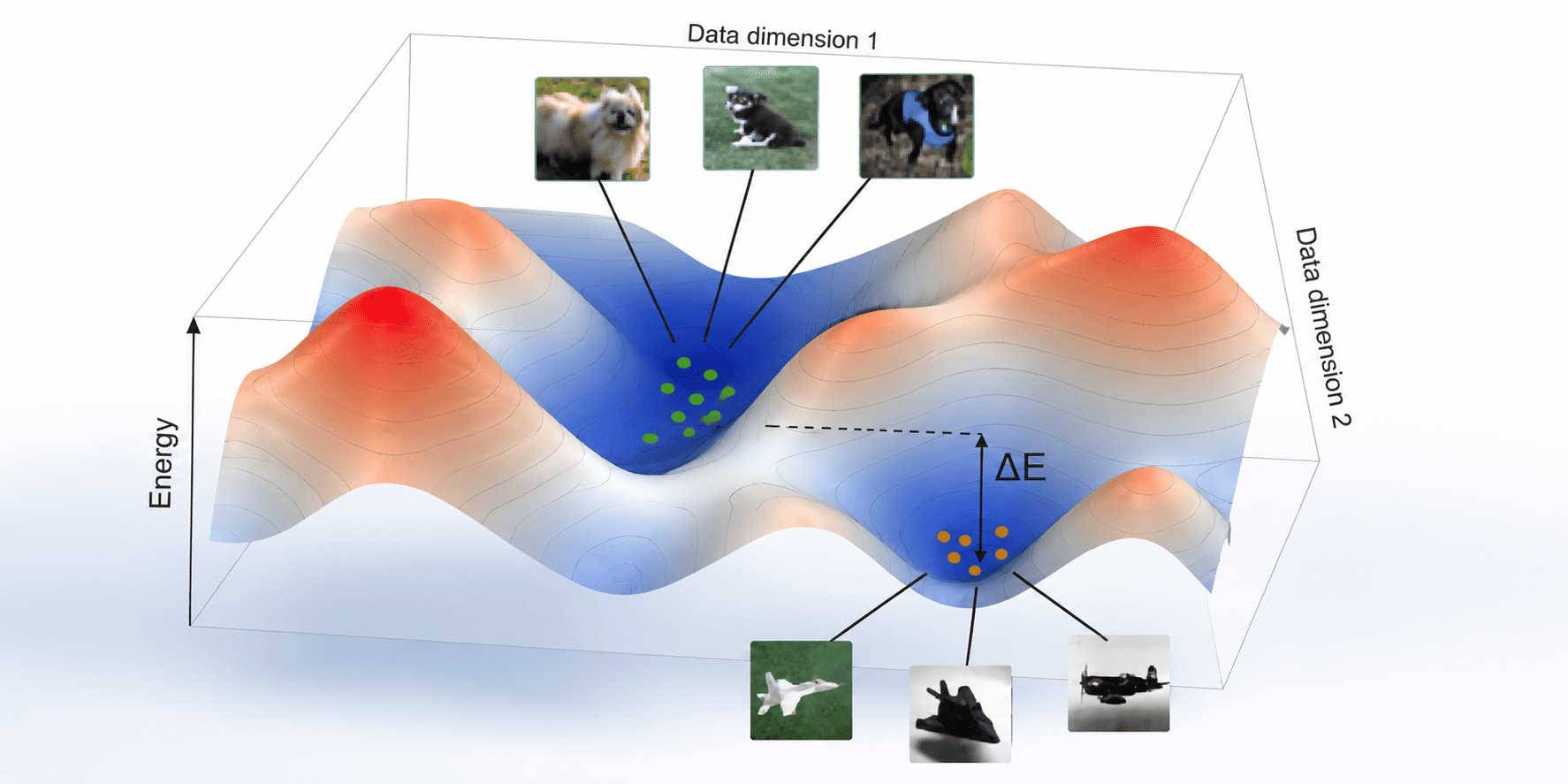
Insider Brief As artificial intelligence drives an unprecedented buildout of power-hungry data centers, researchers are exploring computing architectures that move beyond the graphics processing units (GPUs). One new proposal to address this is a probabilistic computer built from conventional transistors that researchers say could perform certain AI tasks with a fraction of the energy required […]